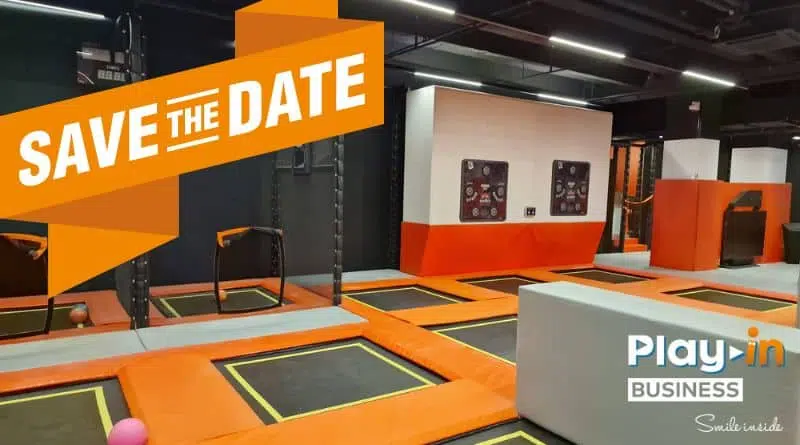



 How much does a trampoline park cost?

How much does a trampoline park cost? Good question!
Trampoline parks have become must-visit attractions in recent years, attracting hundreds of thousands of people of all ages. These leisure complexes offer not only a fun way to exercise, but also a space to challenge friends, organize team-building events and attract a diverse audience. With a notable increase in their popularity, it is crucial for any entrepreneur to understand precisely the start-up costs of a trampoline park and the associated operating costs.
Opening a trampoline park involves a series of significant expenses, ranging from purchasing play equipment and even the building, fit-out work, compliance upgrades… not to mention day-to-day operating costs and regular maintenance.
This article aims to break down the costs of a trampoline park, providing a detailed overview of the required investments.
You will find tips here for planning your budget and strategies for optimizing your spending. Whether you are considering opening your own trampoline park or are simply interested in the cost of this equipment, stay with us for an in-depth approach.
Understanding the initial costs of your trampoline park
Before diving into the details, it is essential to understand the initial costs associated with its creation. These expenses can be grouped into four main categories:
Choosing between buying and leasing a building
The choice between buying or leasing a building for your trampoline park greatly influences your initial budget. Buying a building offers long-term stability and eliminates the risks associated with rising rents. However, the initial investment is considerably higher and adaptation and fit-out work often needs to be planned, as the building was not originally designed for this activity.
Constructing a building and purchasing land is generally even more expensive, but you will have exactly the site you need, perfectly suited to your operations. However, construction time delays the opening of your project by an average of one year.
Leasing, on the other hand, allows you to start more quickly and reduces initial expenses, but you will have less flexibility for fit-out work.
Whatever your decision, factors such as location, site size, and local market conditions must be carefully assessed to determine the most cost-effective option.
The equipment required for your trampoline park
Aside from fit-out work, which will depend on the condition of the building, trampolines and other play equipment make up a large portion of the capital costs. A trampoline park today must offer a range of activities: open jump, tumbling lane, basketball, dodge ball, foam pit, airbag, sweeper, interactive games, ninja course… The price of a trampoline park averages between €200,000 and €400,000, depending on the size and number of activities.
Fit-out and safety: creating a safe environment for your customers
The costs related to fitting out your trampoline park must take everything into account, from building the reception area, snack bar, offices, changing rooms, and floor coverings, lighting and sound systems, through to installing heating/air-conditioning/ ventilation systems if the building is not properly equipped. Safety and accessibility standards also require significant investments, including a minimum number of emergency exits, alarm and fire-suppression systems, and often CCTV cameras.
Operating costs for your trampoline park
Once your trampoline park is fitted out, you must consider operating costs. To keep your park profitable, you need to control operating costs, which come in different forms:
Staff: one of the driving forces of a trampoline park
The success of a trampoline park depends greatly on the quality of its staff. The costs of recruitment, training, and salaries make up a significant share of operating expenses. You need to recruit reception staff, waiters, bartenders for the food and beverage area, trampoline supervisors (1 per 32 players), activity leaders for special events, one or more managers, and possibly an assistant manager to help you manage the entire team.
You must take the park’s opening hours into account to determine the number of hours worked and the number of team members required. If you are open more than 70 hours per week, you will need 2 full teams.
Training is crucial not only to ensure customer safety but also to deliver high-quality customer service. You will need to hire your staff a few days before opening. Salaries must be competitive to attract and retain the best talent.
Maintenance: keeping your trampoline park in perfect condition
Maintenance is essential to ensure the safety and proper operation of the equipment. This includes regular inspections of the trampolines, replacement of worn parts, as well as general building upkeep. While costs will be low in the first few years with new materials, they will increase over the years with normal wear and tear.
Marketing and advertising: a pillar of successful communication
In your operating budget, you must also communicate to continually attract new visitors and build customer loyalty. A substantial budget must be allocated to marketing and advertising. This may include online advertising campaigns on your social media, local ads in newspapers or on the radio, participation in events, partnerships, as well as promotional offers. A well-designed marketing strategy should significantly increase the visibility and appeal of your trampoline park.
Risk management: prevention
Finally, risk management is another major expense item. This includes insurance costs, which are essential to cover your building (theft, water damage, fire, etc.) and your public liability in the event of accidents, and can amount to between €5,000 and €10,000 per year.
Investing in accident-prevention measures, such as staff training and continuous improvement of the facilities, can help reduce insurance costs while ensuring everyone’s safety.
Financing strategies for your trampoline park
To open your trampoline park, knowing your financing options and adopting rigorous budget management are essential to ensure the viability and growth of your project. Here is an overview of financing strategies and a few tips for managing your budget effectively.
Financing options
When it comes to financing your trampoline park, several options are available to you:
- Business loans: Many financial institutions, such as banks, offer loans for businesses. Terms vary, so it is advisable to compare offers to find the most favorable interest rates and repayment terms.
- Investors: Attracting investors looking to support innovative projects can provide the necessary capital. These investors often plan to exit the investment after a few years with a profit. A shareholders’ agreement is strongly recommended.
- Grants: Depending on your location and business sector, government or private grants may be available for certain projects. Contact your local Chambers of Commerce, banks, and financial partners for more information.
Tips for budgeting for your trampoline park
- Plan carefully: Create a detailed budget that includes all your trampoline park costs—both expected and unexpected. Be sure to set aside a buffer for unforeseen expenses.
- Track expenses: Use accounting software or customized dashboards to track your spending in real time. This will help you stay within your budget limits and adjust spending if necessary.
- Periodic review: Review your budget regularly to ensure it reflects your business’s current needs, and adjust it as your financial situation evolves.
Personalized advice for your future trampoline park
For any future owner considering opening a trampoline park, leveraging the lessons learned by those who have already been down this road can be invaluable. Here is some personalized advice:
Play In Business advice
- In-depth market research: Before you begin, make sure you understand your local market. Knowing the demographics, competition, and preferences of your future customers will help you tailor your offering to better meet customer expectations.
- Careful site selection: Location is crucial. Look for a venue that is easily accessible, visible, and large enough to accommodate your trampoline installations. Proximity to schools and shopping centers is a plus.
- Focus on safety: Never compromise on safety. Investing in high-quality equipment and rigorous staff training reduces the risk of accidents and builds customer trust.
- Marketing: Develop a creative, targeted marketing strategy. Use social media to engage your community, and consider special offers for first-time customers and group events such as team-building activities.
Create your dream now
 Starting a trampoline park is an exciting adventure that requires a thorough understanding of initial costs, operating expenses, financing options, and effective management strategies. We explored the importance of choosing the right location, investing in quality equipment, and focusing on safety to ensure a optimal customer experience. In addition, prudent financial management and a dynamic marketing strategy are crucial to the long-term success of your park.
Ready to launch your own trampoline park and enter a market full of potential? Contact us today for tailored advice and get started with confidence! For even more tips and essential resources, do not forget to read our article: “Business plan: the ultimate guide for your indoor playground ” on our website. Join a rapidly growing industry and start your entrepreneurial journey with us by turning your project into a success!