





Skip to content
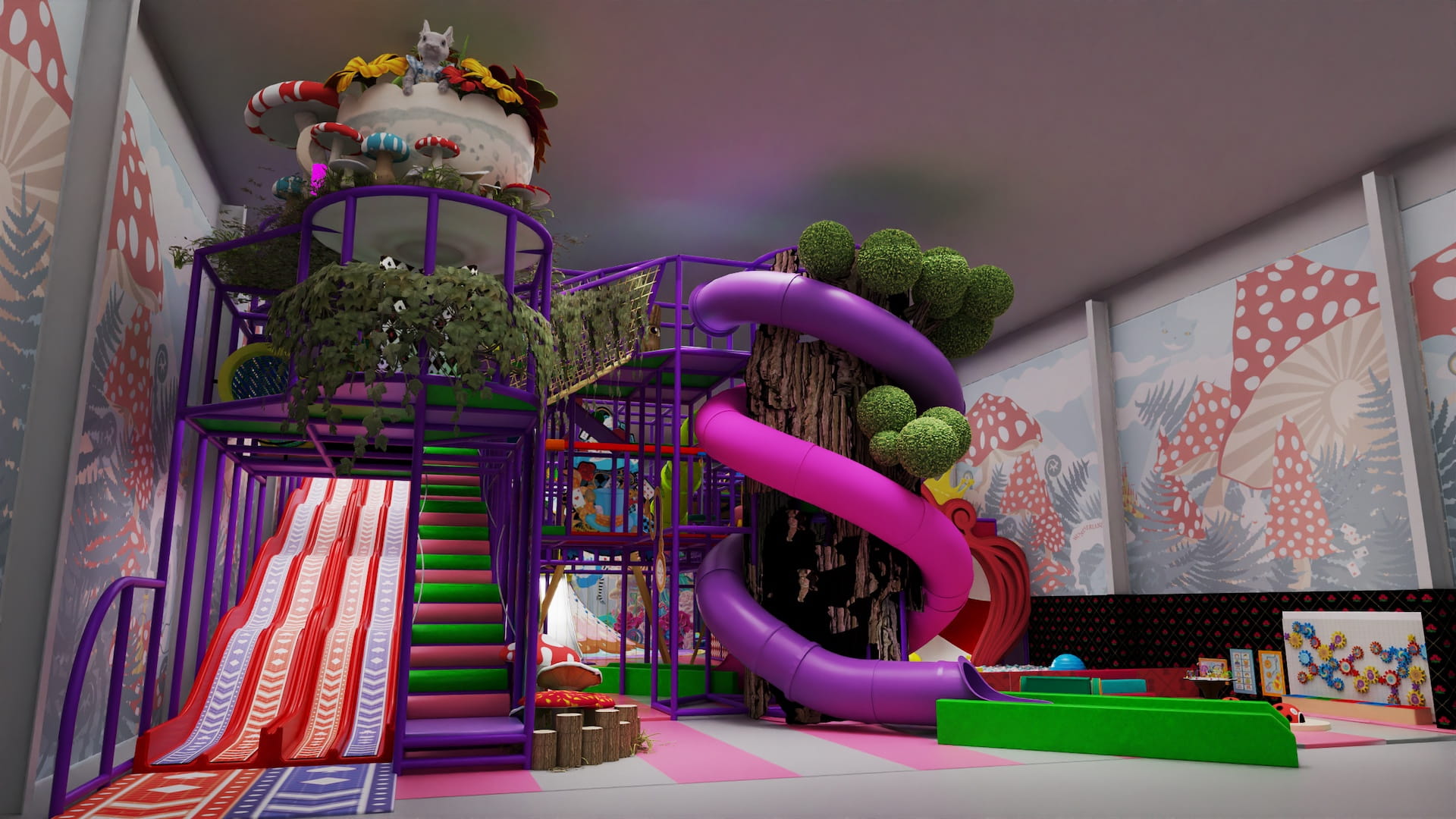
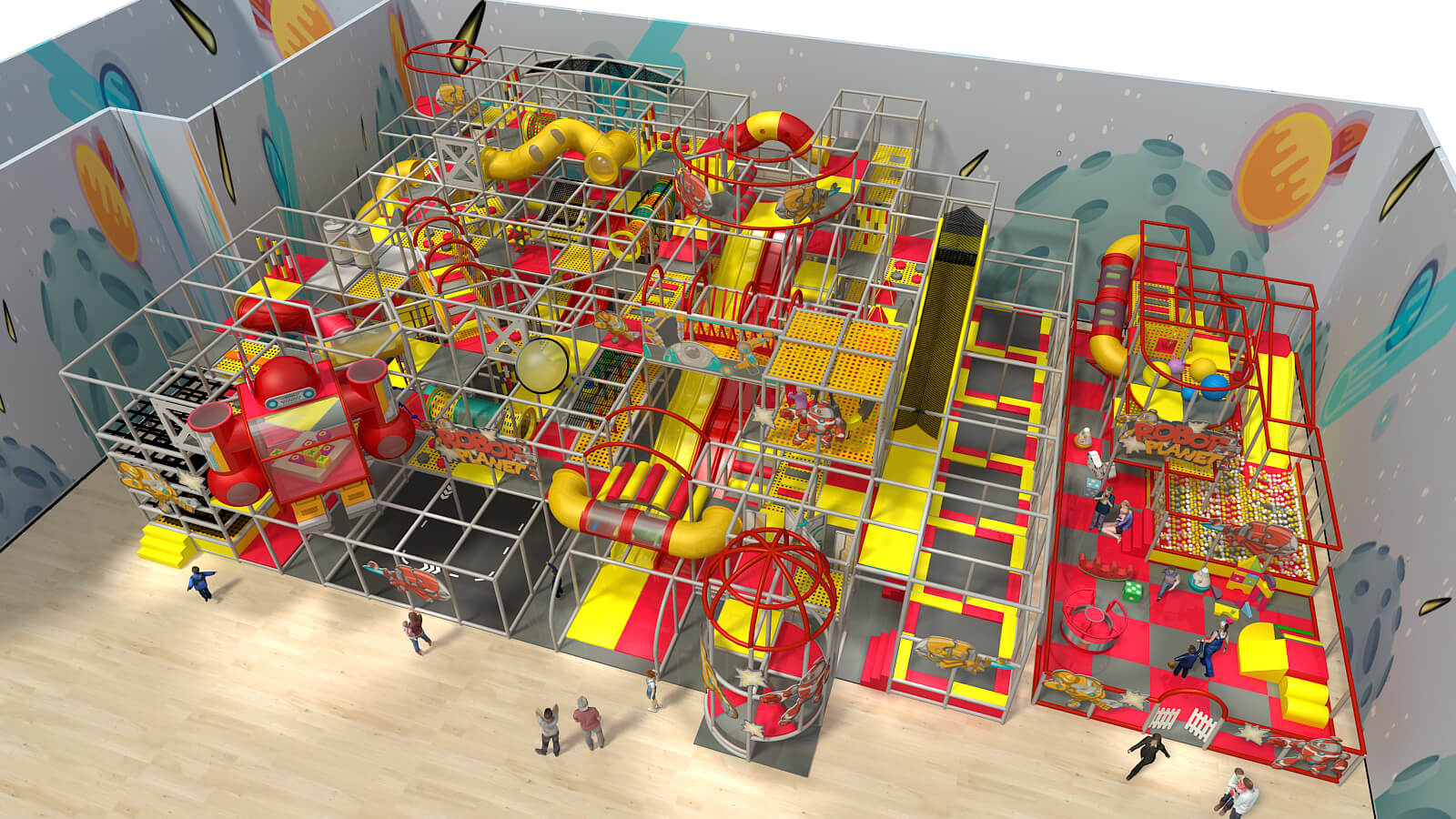
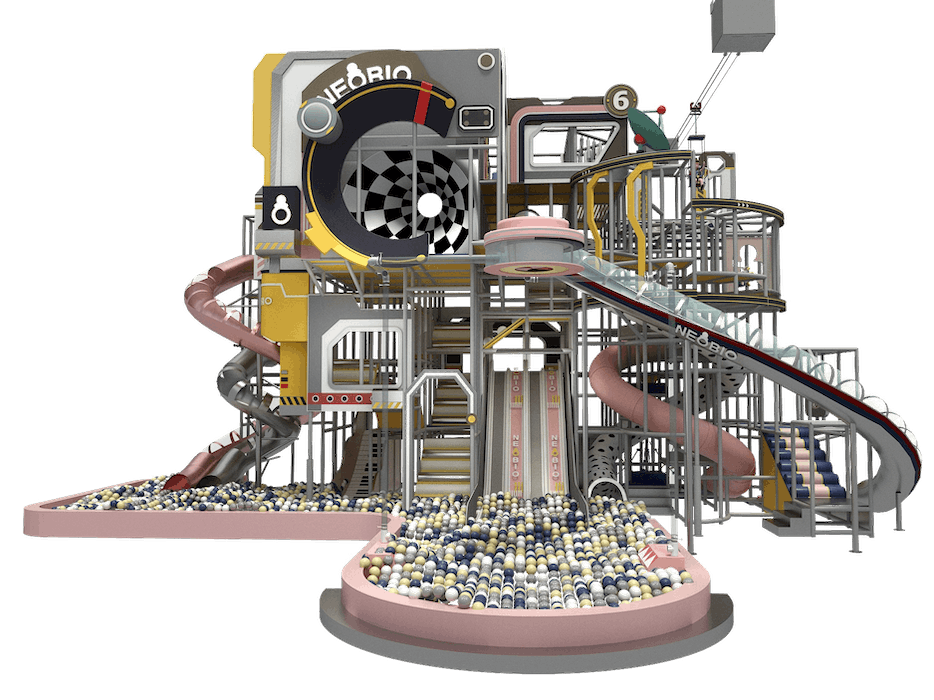
Un rendu 3D détaillé et précis du Cosmic Park réalisé par le bureau d'études de Play In Business, illustrant la phase de conception d'un parc de loisirs.

Do you have the ambition to create a children’s playground, a trampoline park, or a leisure complex, but don’t know where to start? This is perfectly normal. Finding the right location, estimating the ideal surface area, calculating the budget, or understanding safety standards… The reflection phase is crucial for the success of your business plan.

As a leisure park manufacturer with operator experience, Play In Business does not just manufacture structures. We guide you step by step to support your idea, validate its financial feasibility, and ask the right questions before you launch.

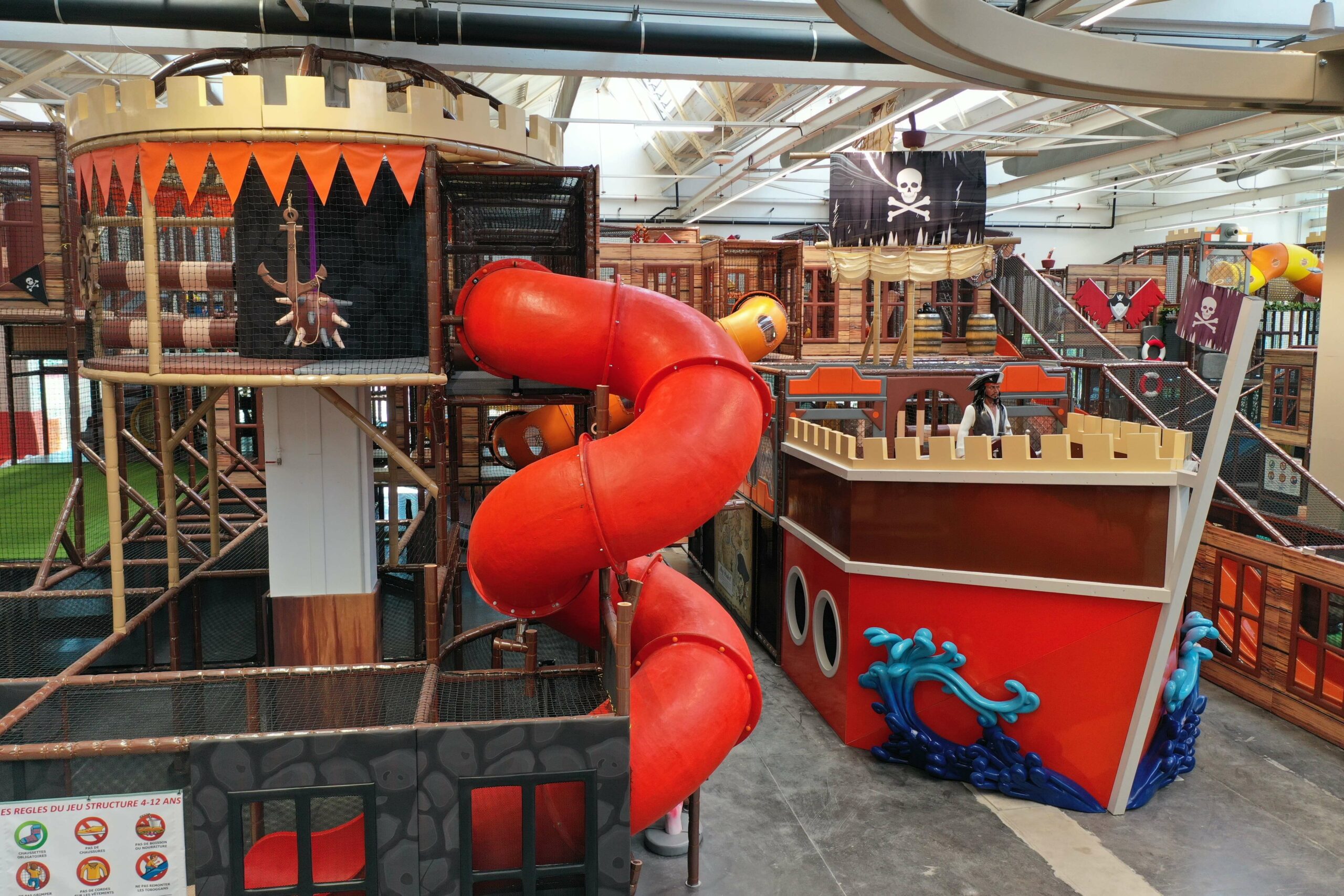
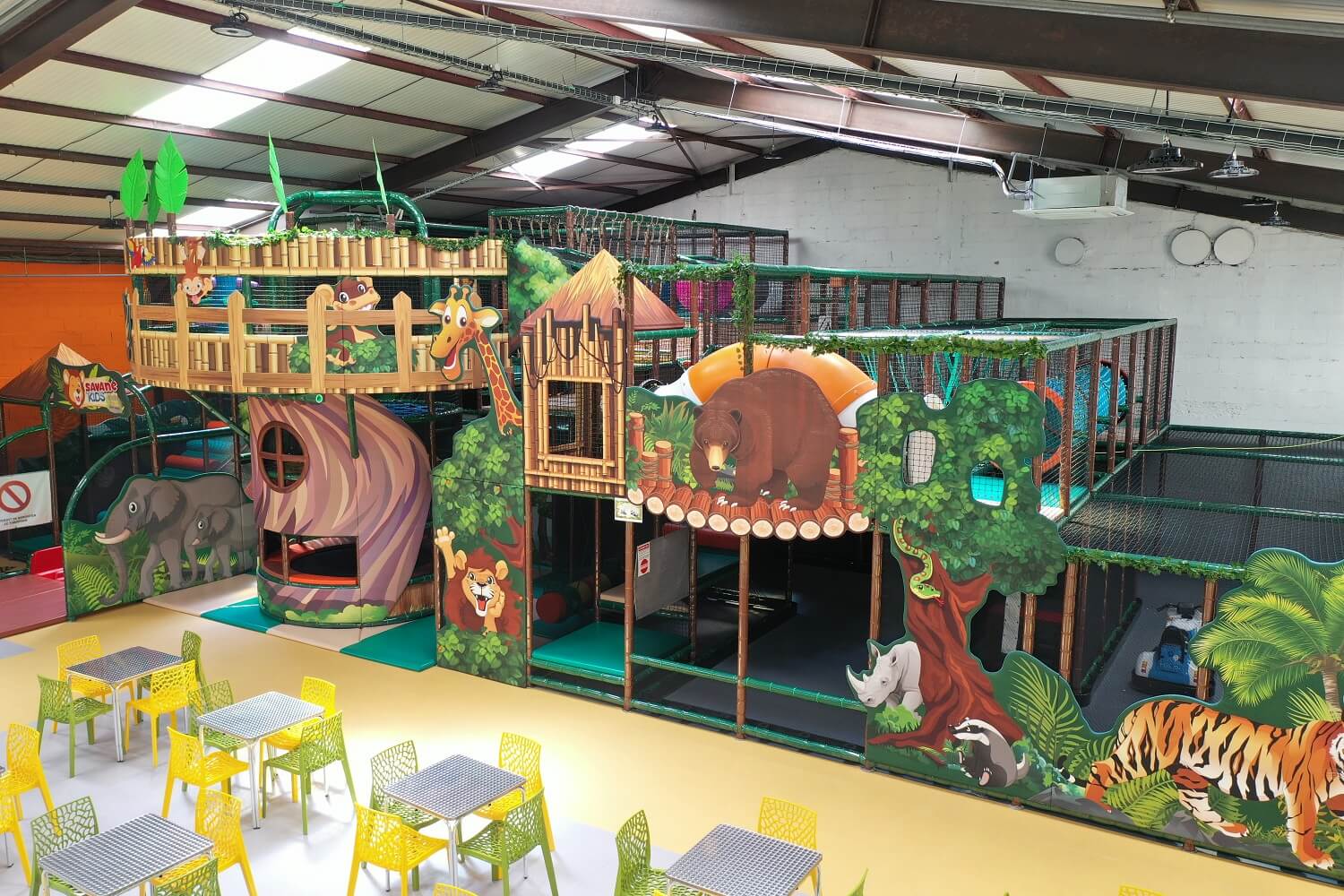
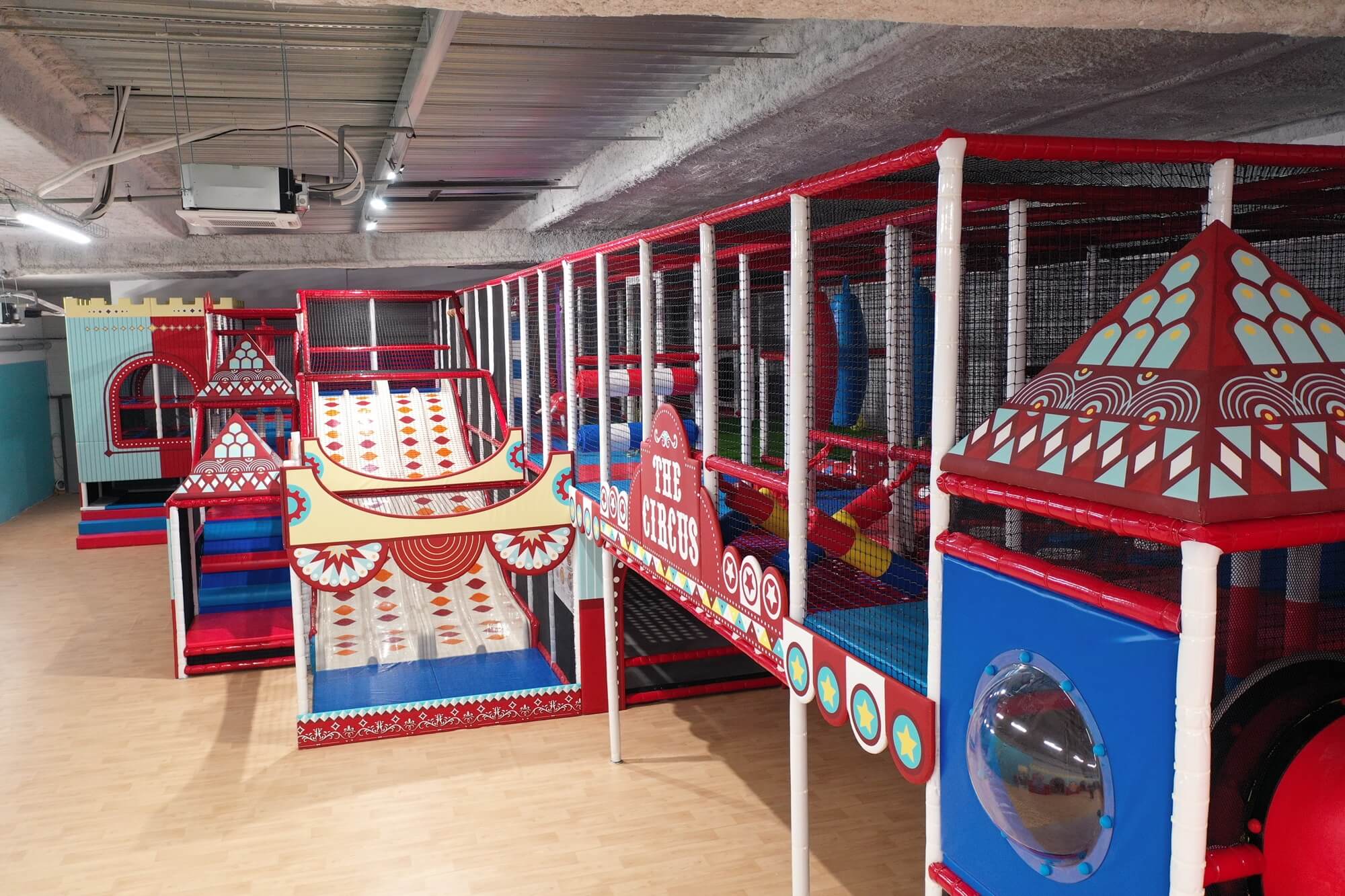
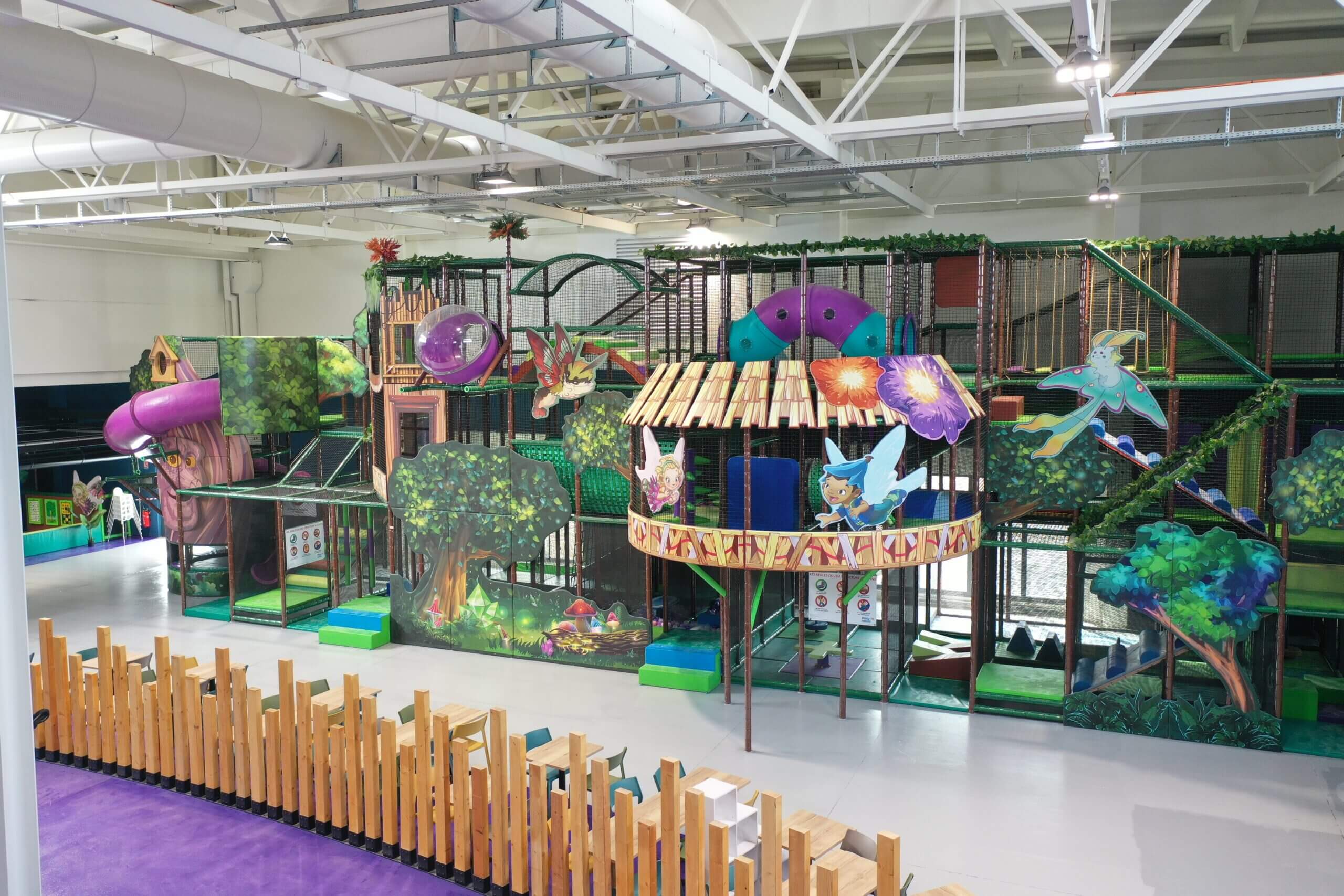
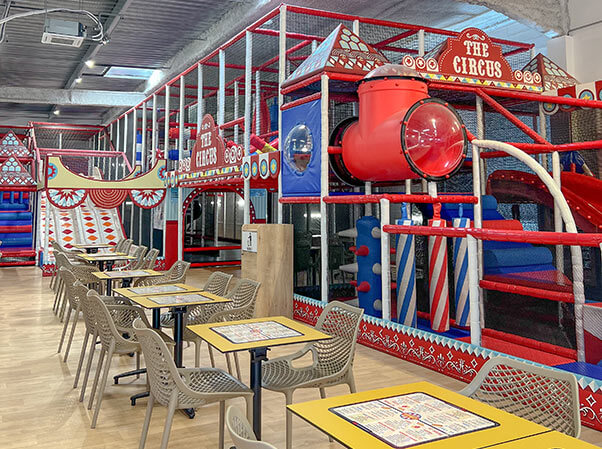
Un parc de jeux Savane Kids réalisé par Play In Business, illustrant la qualité de la fabrication française d'aires de jeux sur mesure. Structure de jeux Circus Kids avec une thématisation cirque unique, prouvant la capacité de Play In Business à créer des univers magiques.

Play In Business supports you throughout your project

Launching into the indoor entertainment industry requires solid preparation. Even before drawing the 3D plans for your future structures, our team helps you verify the viability of your concept.
Which building should you choose? Should you set up in a commercial zone or on the outskirts of a city? What ceiling height is essential for a trampoline park? We answer these technical questions and provide you with the financial ratios (average basket, operating costs) necessary to defend your case to banks. You move from the “idea” stage to that of a “structured project”.

Frequently asked questions from project leaders


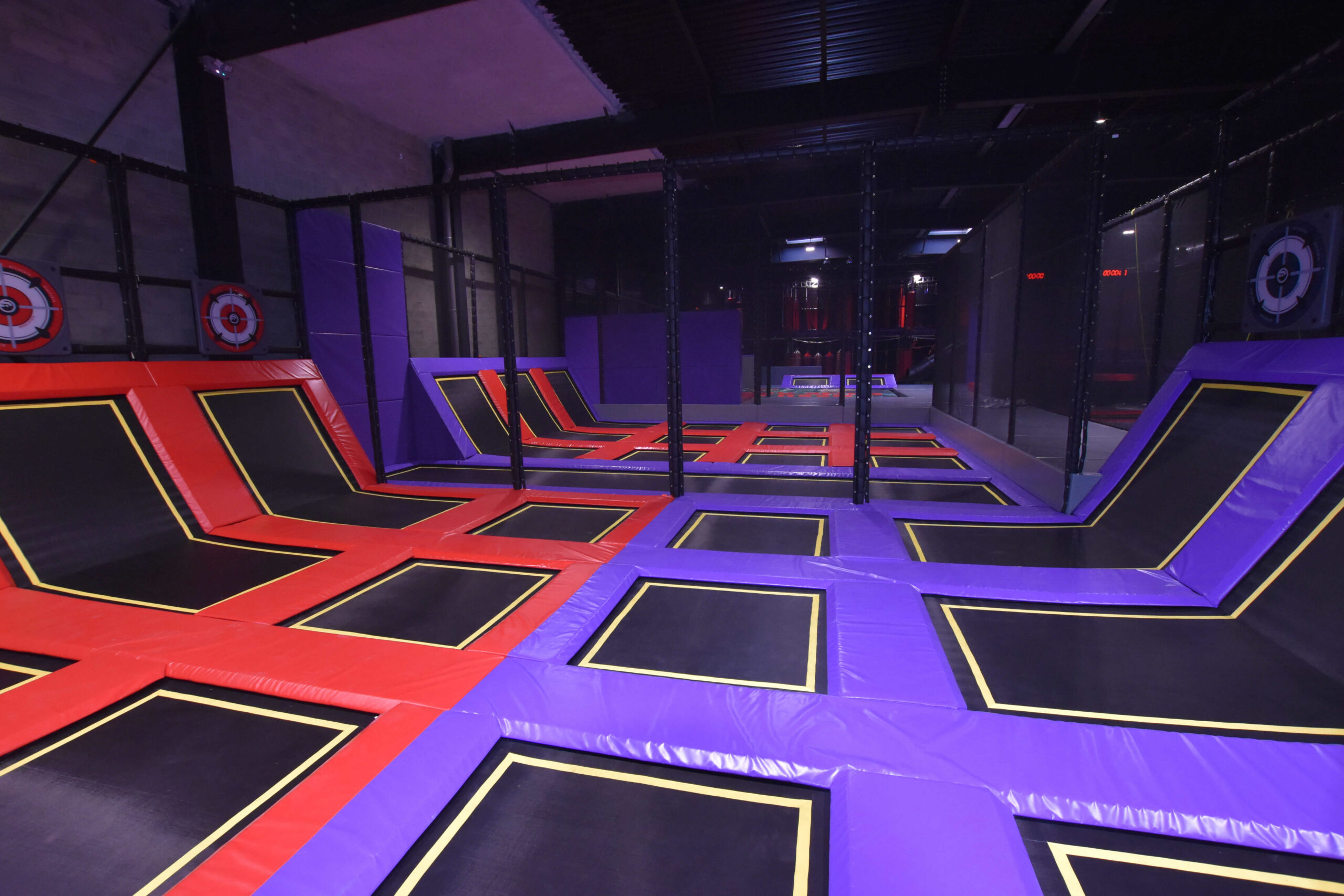
It all depends on your concept and the school rhythm in your country. For a playground that complements another activity (in a leisure complex, for example), a premises of 400 to 500 m² may suffice. As a single activity, a children’s playground or a trampoline park will achieve profitability over a larger area. You should generally target between 1,000 m² and 1,500 m². Pay attention to the most critical point: the ceiling height. To integrate multi-storey structures or trampolines, aim for a minimum clear height of 5 m.

The investment depends on the surface area and the level of theming. For the equipment alone, allow a minimum of €120,000 for a classic children’s playground, and between €200,000 and €400,000 for a trampoline park or a modern complex. To this, you must add the building fit-out costs (flooring, electricity, fire standards, sanitation) and the starting cash flow. We help you precisely quantify these items for your banker.

Location is the key to success. Ideally, aim for a dynamic commercial zone or, even better, an easily accessible leisure zone. Check for the presence of a sufficiently large car park (families travel by car). Inside the building, avoid premises with too many level differences: access for people with disabilities will require many ramps and/or lifts.

Yes. Although we do not write the document for you, our background as operators allows us to provide you with all the essential ratios: average cost of equipment, entry prices practiced on the market, organization of birthday parties (your primary source of income), and expense forecasts. We have even created a complete guide and “park manager” training sessions to help you with your procedures.

Bankers like projects that are quantified and secure. To obtain your loan, you will need a solid business plan including a local market study, precise quotes for equipment, and realistic attendance forecasts. Our role, as an experienced manufacturer, is to provide you with these concrete data (installation costs, average profitability of activities, strict compliance with safety standards) to help you build a rock-solid case that will reassure your investors.

The process begins with an analysis of your sector: Is there a high concentration of families in your vicinity? What is the competitive landscape? Next, focus on identifying the ideal premises, paying particular attention to ceiling height and parking. Once a potential building has been identified, contact us. We can then conduct an initial feasibility study and provide you with an estimate of the necessary budget, allowing you to proceed with confidence.

This is the central question for your business plan. With a good location and a well-calibrated offer, a park very often reaches its break-even point from the first year of operation. Depending on the planned depreciation, profits can be generated from the first few years. The key to success? Do not rely solely on ticket sales, but maximize “birthday” packages and the snacking area, which are real drivers of profitability.

Opening an establishment open to the public can seem intimidating at first. Rest assured, we have the experience to guide you. We advise you on the checks and procedures to be carried out. Regarding the games, all our structures strictly comply with European standards (EN 1176 and ISO 23659) and pass certifications from independent bodies. As a bonus, we train you on daily safety management, so that you can welcome your first customers with total peace of mind and be compliant with the law. Our goal is to create a leisure park where children can have fun in complete safety.

Do you have a project in mind? Ask us your questions!

Let’s talk about your future leisure park! Our team is at your disposal to evaluate the feasibility of your project, advise you on finding your premises, and offer you a first tailor-made budget estimate.

Contact us
Photo d'un jeu à intégrer dans une aire de jeux. Elle présente notamment un toboggan
Our latest achievements
Blog

Indoor leisure advice and news

success story cover
About us Success stories and testimonials

Play In Business: Our success story, a leisure park creator like no other

Dive into our world with an exclusive interview with Bertrand Coulomb, the founder of Play In Business.

For over 30 years, Bertrand Coulomb has been working in the leisure industry. Since his beginnings at Big Bang Schtroumpf park (now Walygator Grand Est), he has remained in the amusement park sector, becoming a major player in the construction of leisure complexes through his company Play In Business. With one guiding principle: the constant pursuit of excellence.

Discover this interview here:

  • Can you tell us the story of Play In Business?

Bertrand Coulomb: Play In Business was founded in 2013 in Luxembourg, a country located in the heart of Western Europe, with excellent connections between capital cities. This company is the culmination of many years as a partner to European manufacturers. After collaborating with the largest manufacturers, installing hundreds of equipment pieces, regularly discussing with operators, and participating in the development of safety standards, I wanted to propose new ideas, greater theme and provide more efficient service to our clients.

We established partnerships with suppliers selected for the quality of their products, their service, their innovation, and their originality. We thus became manufacturers of our own play equipment.

  • What were the key stages in the growth and success over the years?

Bertrand Coulomb: One of the crucial stages was to stop being resellers and become manufacturers of play areas, enabling us to respond more effectively to our clients. We finally design the play equipment we want, with high-quality materials and advanced theming.

Then the evolution toward multi-activity allowed Play In Business to offer equipment beyond play areas, such as the trampoline parks that we also manufacture.

Aminata Ndao played a crucial role in this development. Coming from the French subsidiary Ludo et Cie, she was an enormous boost for Play In Business thanks to her responsiveness and extraordinary work capacity. She became the partner I had been waiting for.

  • What elements have contributed to making Play In Business a leader in the construction of indoor play areas and trampoline parks?

Bertrand Coulomb: I think our clients first appreciate the relationship we create with them. We share our experiences, listen to their expectations, spend time finding the perfectly adapted solution for the project, visit parks we have built together, and draw detailed 3D designs of the project to ensure perfect understanding.

Then, the quality-price ratio of our trampoline parks and our indoor play areas completes the convincing of our clients.

Of course, having operated a park for several years and participated in the development of safety standards also reinforces our credibility, and we maintain contact with our clients after their opening.

  • Could you share an example of an iconic project that has marked the history of Play In Business?

Bertrand Coulomb: Cosmic Jump is a striking example. It was our first large trampoline park (1,200 m2 of play equipment), installed in early 2018, with significant technical constraints and many activities such as dodge ball, half pipe, foam pit, and ninja course. The park was a success, and we then installed one of the largest modular play structures in France in the adjacent building for the same client!

  • Can you tell us about the innovations or new trends that Play In Business has introduced this year in its indoor play areas and trampoline parks?

Bertrand Coulomb: The arrival of the ISO EN23659 standard this year shook up the trampoline park industry somewhat, but it accelerated the professionalization of the sector. We place great importance on compliance with European standards, and we support operators to ensure optimal safety for jumper visitors and their own peace of mind.

Interactive games have also taken a prominent place at the expense of the free jump zone. Interactivity has truly become a must-have in trampoline parks, and Play In Business integrates several games into each project, such as Cardio Wall, Valo Jump, Freedom Gaming… Modular play structures are not left behind with interactive screens or the Talking Bag!

  • What are the upcoming projects for Play In Business for next year?

Bertrand Coulomb: We have developed a new range of pretend play equipment. With these games making a strong comeback in playgrounds, we couldn’t pass up the opportunity. In addition to our initial range of small play structures covering 2–3 m², we now offer role-play areas spanning 20–30 m² with plenty of interactive features. The first park to feature this range was Chibiotopia near Strasbourg, which has proved a huge success, and the brand is now expanding under licence.

We’ll be attending IAAPA in London in September 2026 – the attractions industry’s largest trade fair – to showcase this new range. This time, it’ll be the visitors who get to play like children!

As for our upcoming installations for 2027, our schedule is already packed. Stay tuned—we will discuss them soon.

  • In summary, how would you describe the results of the current year for Play In Business in terms of success, achievements, and future prospects?

Bertrand Coulomb: Despite challenges related to client financing, I consider that we have had an excellent year. Our clients are satisfied, the image of Play In Business is very strong, and our quality-price ratio remains excellent. We thank our clients for their trust and collaboration, and we remain available for future projects and park upgrades.

icons of several well-known social media platforms like facebook, youtube, instagram
Indoor playground Marketing et communication

Indoor Play Center and Social Media: Boost Your Visibility

Indoor Play Center and Social Media


Do you own an indoor play center and want to increase your visibility?

Did you know that every day, 45 million French people spend an average of over 2 hours online, including on social media?

That’s right, social media is no longer just platforms—they’ve become essential in our lives.

And also for your indoor play center!

In our digital age, they’ve become essential communication channels that connect businesses to their customers. They also help increase visibility.

For indoor play centers, Facebook, LinkedIn, and Instagram aren’t just apps—they’re unique opportunities to strengthen your online presence and achieve significant return on investment.

Discover here why social media plays an important role:

Brand Visibility and Awareness

Did you know that social media represents the virtual storefront of your indoor play center?

Imagine your social media as your indoor play center’s storefront: accessible to everyone with a simple internet connection.

Being active with engaging content means creating visibility for your indoor play center.

By sharing relevant content, you earn the trust of your prospects and turn them into loyal customers.

Better Understanding of Your Community

Take the time to analyze your community’s comments and messages!

Yes, messages and comments are golden nuggets.

They allow you to directly understand your target audience’s needs and adapt your offering based on their demand—it’s an invaluable tool.

Social media is THE direct bridge between you and your community.

Moreover, this interactivity strengthens the bond between your customers and your indoor play center because you’re INVESTED and you show your COMMITMENT to THEIR opinion, which is very important!

Marketing and Promotion

Goodbye traditional advertising… hello social media!

Accessible and effective, they allow you to precisely reach your target audience.

With precise targeting (if you know your audience well, of course), return on investment is guaranteed, turning visitors into real customers!

On top of that, announcing your events can always attract more people to your indoor play center.

Competitor Monitoring and Market Analysis

Just “follow” them as we say now and… stalk 😉

Look at what works and what doesn’t on your competitors’ social media: number of likes, number of comments, number of followers… Social media gives you direct insight into their strategy.

This analysis allows you to stand out, because in a constantly evolving world, adaptability is: THE KEY.

Then, adapt your strategy accordingly.


In summary: social media is your best friend for your indoor play center!

They create connections, sure, but can generate tremendous visibility if you know how to use them correctly!

Social media is the must-have of modern communication, even at . Don’t wait—it’s time to ride this wave toward success and growth.

normes iso
Safety and standards Trampoline park

Les normes ont-elles un intérêt ?

Les normes ont-elles vraiment un intérêt ?

Les normes ont mauvaise presse : dans l’agriculture, l’industrie, le commerce, les syndicats se plaignent des règles trop exigeantes, trop nombreuses et parfois contradictoires. Même le gouvernement français déplore la complexité de la réglementation : « trop de normes tue la croissance » a déclaré le Ministre de l’Economie français Bruno Le Maire en avril 2024. Une simplication est en marche…

Les mêmes remarques sont valables dans les autres pays européens et au Royaume Uni, qui déjà en 2010 supprimait deux normes pour en créer une nouvelle en instaurant le « one in, two out », et même « one in, three out » en 2015. 

Les normes: néfastes ou bénéfiques pour le business?

Alors les normes sont-elles néfastes pour le business ? Bien au contraire !

Dans le cadre des activités de loisirs, elles ont permis de faire chuter le nombre d’accidents graves, de sécuriser les équipements, d’organiser la supervision, la gestion de flux, les contrôles et la maintenance, de limiter les risques pour les joueurs aussi bien que pour les exploitants. 

La France a été précurseur dans la réglementation pour les aires de jeux collectives avec la première norme arrivant en 1988 (norme S54-201), puis avec un décret en 1994 (n°94-699 du 10 août 1994). Les exploitants ayant l’obligation de se mettre en conformité avec des normes, le nombre d’accidents graves a fortement baissé et les décès dus aux équipements a disparu.

A l’arrivée des parcs de trampolines en Europe au début des années 2010, il n’existait aucune réglementation. La norme des trampolines sportifs n’était pas applicable, comme celles des aires de jeux. Il n’existait en France que l’obligation générale de sécurité : « Les produits et les services doivent présenter, dans des conditions normales d’utilisation ou dans d’autres conditions raisonnablement prévisibles par le professionnel, la sécurité à laquelle on peut légitimement s’attendre et ne pas porter atteinte à la santé des personnes ». Mais comment savoir quoi faire dans une activité nouvelle et comment prouver qu’on présente une « sécurité légitime » ? 

Conséquences de l’absence de normes

C’est ainsi que l’on a vu des parcs de trampolines ouvrir avec des trampolines de performance sans aucune surveillance, et un nombre d’accidents augmenter parallèlement aux nombre de nouveaux parcs ouverts. Un parc dans l’Est de la France détenait le record d’accidents graves (nécessitant l’arrivée des pompiers) : peu de personnel, aucune supervision, les enfants laissés seuls sur les trampolines… Les pompiers effectuaient plus de 18 interventions par semaine en moyenne ! La DDPP (Direction Départementales de la Protection des Populations) n’avait aucun moyen de fermer ce parc car il n’existait pas de base légale. Après quelques mois d’exploitation, la majorité des familles de la région avaient eu son propre enfant ou celui d’un proche qui avait été blessé pendant une séance dans le parc de trampolines. Le marché était sinistré. 

Résultat, le nouveau parc de trampolines qui s’est ouvert dans la même agglomération quelques mois plus tard, avec une véritable supervision et une politique sécuritaire adaptée, a mis plusieurs années à convaincre les familles de venir dans son parc et à équilibrer ses comptes.

Ainsi, l’arrivée des normes expérimentales françaises dans un premier temps (XP S52-370), puis européennes ensuite (ISO EN 23659) a permis de réguler l’activité et de faire baisser drastiquement le nombre d’accidents. Le marché se développe ainsi normalement, et la DDPP a désormais les moyens de contrôler les parcs, et éventuellement de faire fermer les exploitations dangereuses qui nuisent autant aux joueurs qu’au secteur toute entier.  

Donc oui, les normes sont essentielles pour réguler une activité. Elles sont nécessaires d’une part pour déterminer le niveau de sécurité minimale ou optimale nécessaire pour assurer la sécurité des utilisateurs. Elles permettent à l’exploitant de choisir les activités en fonction des risques encourus et des obligations qui en découlent. Par exemple, les parcours acrobatiques en hauteur avec une ligne de vie continue nécessitent moins de personnel d’exploitation, les joueurs étant toujours attachés. 

Les normes permettent également de mettre en conformité les équipements, de rehausser leur niveau de sécurité,  de protéger les utilisateurs mais également les exploitants en cas d’accident. En effet, l’exploitant ayant des équipements conformes aux normes pourra démontrer qu’il a mis en place « la sécurité à laquelle on peut légitimement s’attendre » et pourra dégager sa responsabilité. 

Conseils pour les exploitants

Nous ne pouvons que fortement conseiller à tous les porteurs de projets et tous les exploitants de parcs de loisirs de suivre de près la réglementation et de se conformer le plus possible aux normes en vigueur. 

En tant qu’expert intervenant dans différents comités de normalisation, Play In Business vous conseille sur le choix des équipements, les exigences de sécurité, les obligations de supervision, l’entretien et la maintenance à prévoir… afin que vous puissiez faire le choix le mieux adapté à votre exploitation. 

Products
Playful universes adapted for your future indoor leisure projects